
USDA & Farm Investment: A CPA's Tax Strategy Guide
Discover how to leverage powerful IRS tax deductions and USDA-influenced programs for strategic agricultural investments. This guide covers key tax codes and wealth strategies for farmers and investors.

Advertisement
As a Certified Private Wealth Manager and CPA, I've guided numerous high-net-worth clients through the complexities of portfolio diversification. In today's economic climate, characterized by inflationary pressures and a renewed focus on tangible assets, one sector consistently emerges as a compelling, yet often misunderstood, opportunity: American agriculture. This isn't just about owning land; it's about strategically investing in the business of farming, an endeavor supported by a unique and powerful framework of tax incentives and government-backed programs. While the U.S. Department of Agriculture (USDA) doesn't offer direct investment funds to the public, its policies and programs create a fertile environment for savvy investors to cultivate significant tax advantages and long-term wealth. This article will serve as your comprehensive guide to navigating this landscape, transforming a potential crop investment into a sophisticated, tax-advantaged pillar of your financial strategy.
The Modern Appeal of Agricultural Investing
For generations, farmland has been a cornerstone of legacy wealth, prized for its stability and low correlation with traditional stock and bond markets. Today, its appeal is broadening. Sophisticated investors are increasingly drawn to agriculture for several key reasons:
- Inflation Hedge: As a real asset that produces essential commodities, agricultural land and operations tend to hold their value and can provide returns that outpace inflation.
- Growing Global Demand: A rising global population and shifting dietary preferences ensure a baseline of demand for agricultural products, from staple grains to specialty crops.
- ESG and Sustainable Investing: Agriculture offers a direct path for Environment, Social, and Governance (ESG) focused investing. Investments in sustainable farming practices, water conservation, and renewable energy on farms are not only environmentally responsible but also increasingly profitable.
- Portfolio Diversification: The return drivers for agriculture—weather, commodity cycles, and biological growth—are fundamentally different from those of the S&P 500, making it an excellent tool for reducing overall portfolio volatility.
Understanding this context is crucial before diving into the tax code. The financial benefits are not just theoretical; they are rooted in the real-world economics of feeding the nation and the world.
The USDA's Indirect but Influential Role
It's a common misconception that one can "invest in a USDA program." The USDA's primary role is not that of an investment bank but a facilitator and de-risker for the agricultural sector. The department shapes the investment landscape through a variety of initiatives that, while not offering direct returns, significantly lower the financial barriers and risks for farmers and, by extension, their investors.
Key USDA programs that influence the investment environment include:
- Grant Programs: The USDA offers grants that can be pivotal for launching or expanding operations, especially those focused on innovation and sustainability.
- Value-Added Producer Grants (VAPG): These competitive grants help farmers develop businesses that turn raw commodities into value-added products, like turning fruit into jam or wheat into artisanal flour. This can dramatically increase profitability. The program provides funds for planning activities or for working capital, though it requires a 1:1 match from the applicant.
- Specialty Crop Block Grant Program (SCBGP): The SCBGP provides funds to state departments of agriculture to enhance the competitiveness of specialty crops like fruits, vegetables, tree nuts, and nursery crops. While individuals cannot apply directly to the USDA, they can partner with their state agency on projects that boost research, marketing, and food safety.
- Loan Programs: The Farm Service Agency (FSA) offers a range of loan programs, often with favorable terms, to help farmers purchase land, equipment, and cover operating expenses. These loans make agricultural ventures more accessible, especially for new producers.
- Conservation Programs: Programs like the Conservation Reserve Program (CRP) and the Environmental Quality Incentives Program (EQIP) provide financial and technical assistance to farmers who implement conservation practices. These payments can provide a steady income stream and enhance land value, all while contributing to environmental goals.
By understanding these programs, an investor can better evaluate a farm's financial health and its potential to leverage government support to enhance returns and mitigate risk.
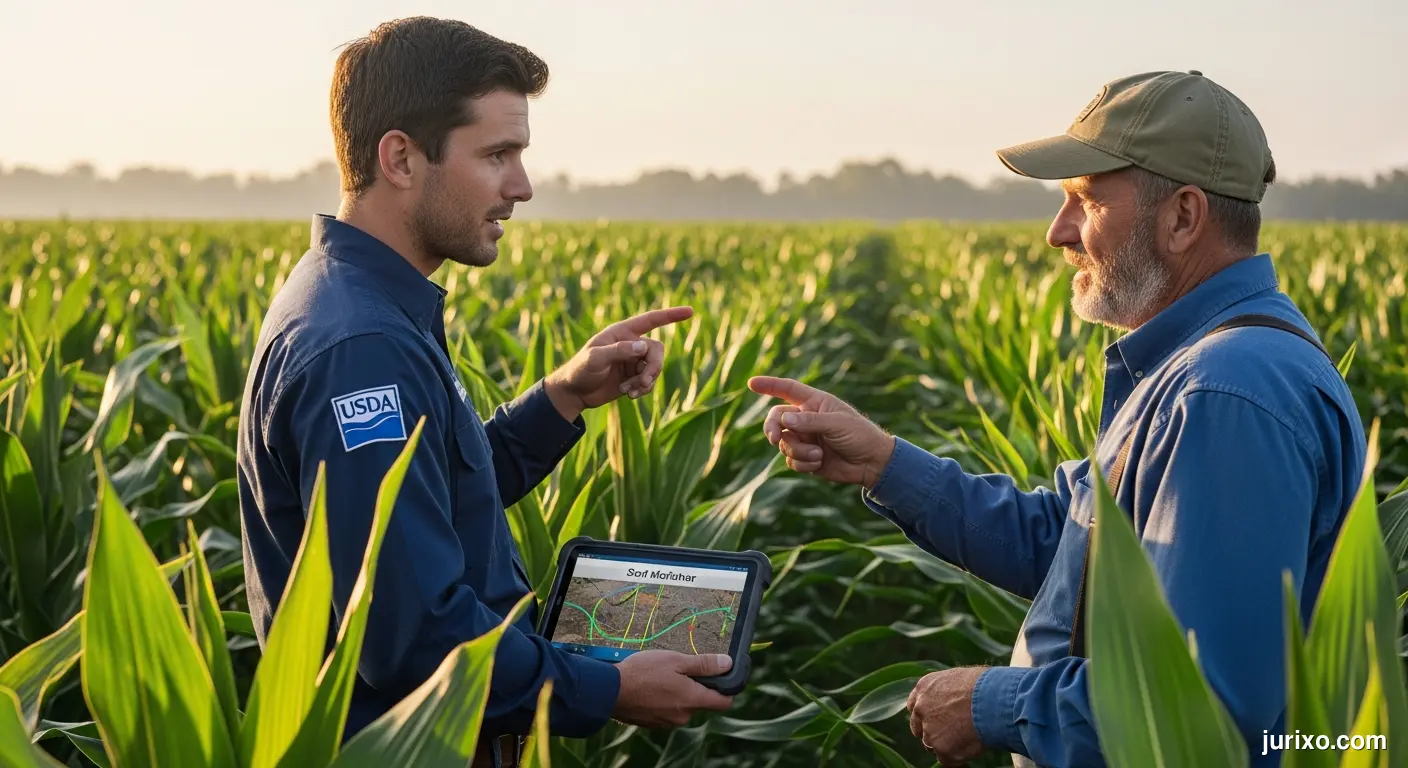
Core Tax Strategies for Agricultural Investments: A CPA's Breakdown
The true power of agricultural investing from a tax perspective lies within the Internal Revenue Code (IRC). The tax code provides farmers with a unique set of tools to manage taxable income and accelerate returns on capital. These rules are detailed extensively in IRS Publication 225, Farmer's Tax Guide, which should be considered essential reading for any serious agricultural investor.
Accelerated Deductions for Capital Expenditures
Unlike most businesses that must capitalize and slowly depreciate many costs, farming operations can immediately deduct several significant expenses, dramatically improving cash flow.
-
IRC Section 175: Soil and Water Conservation Expenses: Taxpayers in the business of farming can elect to deduct expenses for soil and water conservation or erosion prevention. This includes costs for activities like leveling, grading, terracing, contour furrowing, and building earthen dams. The deduction is limited to 25% of your gross income from farming for the year, but any excess can be carried forward to future years. To qualify, the expenses must be consistent with a plan approved by the USDA's Natural Resources Conservation Service (NRCS) or a comparable state agency.
-
IRC Section 180: Fertilizer and Soil Conditioners: A farmer can elect to immediately deduct the cost of fertilizer, lime, and other materials used to enrich or condition farmland, even if their benefits last for more than a year. Without this special election, such costs would need to be capitalized and amortized over their useful life. This election allows for a significant upfront deduction to offset income in the year of purchase.
Powerful Depreciation Rules for Farm Assets
Depreciation is a cornerstone of business tax planning, and for farmers, it is particularly potent.
- IRC Section 179 Expensing: Section 179 allows a business to deduct the full purchase price of qualifying new or used equipment and software in the year it is placed in service. For tax year 2026, the maximum deduction is projected to be around $2,560,000, with a phase-out beginning when total equipment purchases exceed $4,090,000. This is an incredibly powerful tool. A farmer who purchases a $200,000 tractor can potentially deduct the entire $200,000 from their income in the same year, subject to business income limitations.
- Bonus Depreciation: In addition to Section 179, bonus depreciation allows for the deduction of a percentage of the cost of qualifying new and used assets with a recovery period of 20 years or less. The rules for bonus depreciation are subject to change, so consulting a tax professional is critical. Typically, a common strategy is to use the Section 179 deduction first, then apply bonus depreciation to any remaining eligible basis.
- Qualifying Property: A wide range of farm assets qualify for these accelerated depreciation methods, including:
- Tractors, combines, and other farm machinery.
- Livestock.
- Single-purpose agricultural structures (e.g., milking parlors, hog structures).
- Grain bins and silos.
- Fencing and drainage tile.
- Certain farm vehicles.
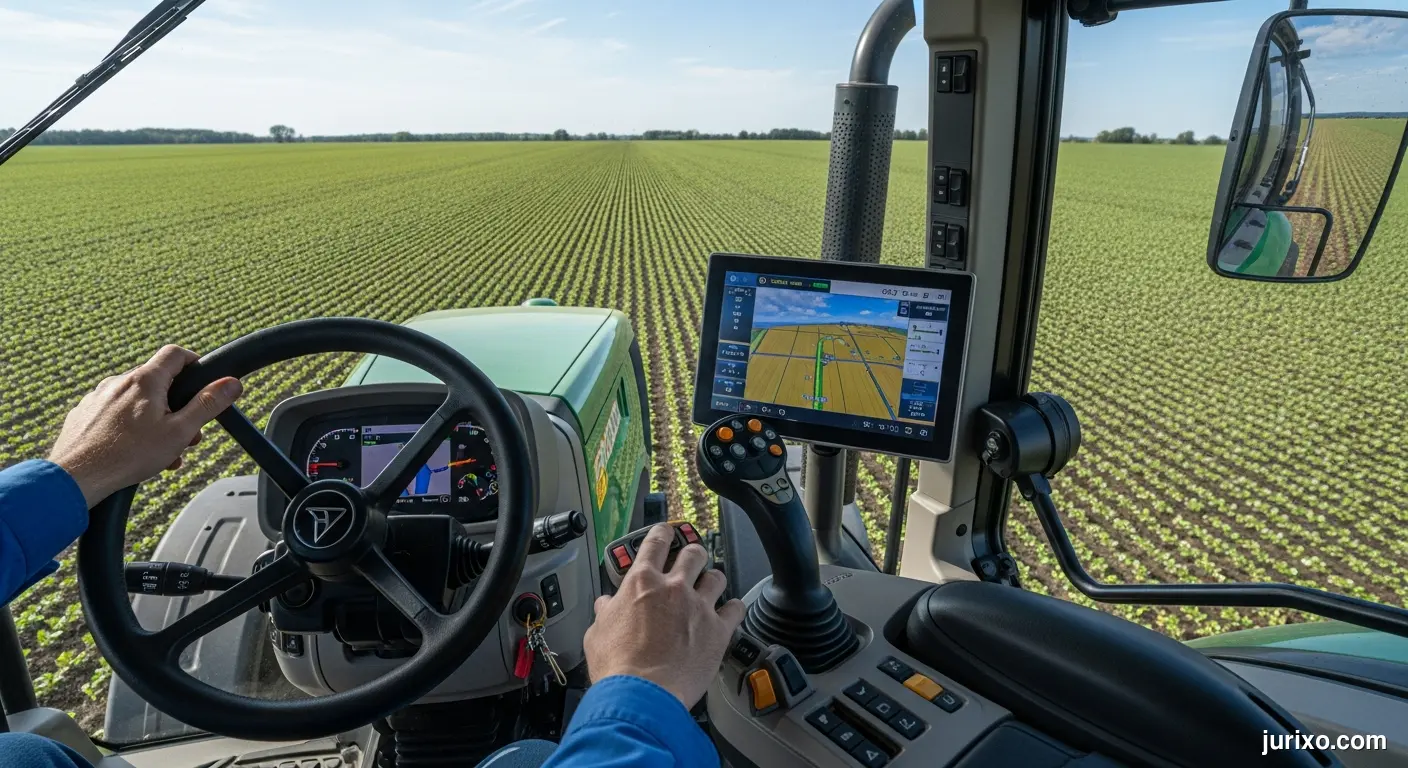
Leveraging USDA Programs for "New Crop" Investment
The term "new crop" can refer to anything from novel specialty fruits to crops grown with innovative, sustainable methods. While the crops may be new, the tax principles that apply are well-established. The strategy involves pairing the powerful tax deductions above with USDA programs that de-risk the venture.
For example, an investor group could form an entity to cultivate a specialty crop like lavender or elderberries. They could apply for a Value-Added Producer Grant (VAPG) to fund a feasibility study and develop a business plan for turning the crop into essential oils or artisanal beverages. The capital expenditures for planting, irrigation, and harvesting equipment could then be aggressively depreciated using Section 179, generating significant tax losses in the early years that can offset other income for the investors (subject to passive activity loss rules).
Furthermore, programs like the Beginning Farmer and Rancher Development Program (BFRDP) provide grants to organizations that offer education and technical assistance to new agriculturalists. Partnering with or supporting an operation led by a "beginning farmer" (defined as someone with 10 years or less of experience) can bring a wealth of knowledge and support to the venture, increasing its chances of success.
Advanced Strategies: Estate Planning and Conservation
For high-net-worth individuals and families, agricultural investing opens the door to sophisticated wealth transfer and legacy planning strategies.
Estate Tax Planning with Special Use Valuation (IRC Section 2032A)
Ordinarily, assets in an estate are valued at their "highest and best use" for estate tax purposes. This can be devastating for farming families, as it could mean valuing pristine farmland at its potential value as a suburban development. Section 2032A provides critical relief, allowing certain farm property to be valued at its "current use" as a farm, which is often significantly lower. This can substantially reduce the federal estate tax burden, making it possible for the next generation to continue the farming operation. To qualify, strict requirements regarding ownership, material participation by the family, and a continued commitment to farming must be met.
Conservation Easements: The Ultimate Win-Win
A conservation easement is a voluntary legal agreement where a landowner permanently restricts the development rights of their property to protect its conservation or agricultural values. In return, the landowner can receive a significant charitable income tax deduction.
Here’s how it works:
- A qualified appraiser determines the value of the property at its "highest and best use" and its value as restricted by the easement.
- The difference between these two values is the value of the donated easement.
- The landowner can generally deduct this amount, up to 50% of their adjusted gross income (AGI), with a 15-year carryforward period.
- For "qualified farmers," the deduction limit is increased to 100% of AGI, making it an exceptionally powerful tool.
Beyond the income tax deduction, a conservation easement lowers the property's value for estate tax purposes and may qualify for an additional estate tax exclusion of up to 40% of the land's value (capped at $500,000). This strategy allows a family to preserve their land legacy, generate a substantial current tax benefit, and ease the transition of the asset to their heirs.
Frequently Asked Questions (FAQ)
1. Can I deduct farm losses against my other income?
Yes, but it's complex. If you are "materially participating" in the farming business, you can typically deduct farm losses against other income, such as W-2 wages or investment income. However, these losses are subject to several limitations, including the "at-risk" rules and the "passive activity loss" rules. The IRS scrutinizes farm losses, so it is critical to operate with a clear profit motive and maintain meticulous records as detailed in IRS Publication 225.
2. What is the difference between IRC Section 175 and Section 180?
IRC Section 175 allows for the immediate deduction of expenses related to soil and water conservation projects, like building terraces or dams, up to 25% of gross farm income. IRC Section 180 allows for the immediate deduction of costs for fertilizer, lime, and other materials that enrich the soil, without a specific income limitation. Both are powerful elections that allow farmers to deduct costs that would otherwise be capitalized.
3. How does Section 179 work for agricultural investors in 2026?
For tax years beginning in 2026, Section 179 allows businesses, including farms, to expense up to a projected $2,560,000 in qualifying equipment purchases. This deduction is available for both new and used equipment. It begins to phase out if total purchases exceed a projected $4,090,000. This allows a farmer to write off the entire cost of major assets like tractors or irrigation systems in the year they are placed in service, subject to business income limits.
4. Can I get a grant from the USDA to start a new farm?
The USDA does not typically provide grants directly to individuals to start a farm. However, it offers numerous programs that provide crucial support. The Value-Added Producer Grant (VAPG) can help fund business planning and working capital for projects that process raw goods. The Beginning Farmer and Rancher Development Program (BFRDP) funds organizations that provide training and technical assistance to new farmers. Additionally, the Farm Service Agency (FSA) has robust loan programs for acquiring land and capital.
5. What is a "qualified conservation easement" and how does it help with taxes?
A qualified conservation easement is a permanent donation of development rights on a piece of property to a qualified organization (like a land trust) for conservation purposes. In return, the donor can claim a federal income tax deduction for the value of the donation. For qualified farmers, this deduction can be up to 100% of their adjusted gross income. It also reduces the value of the property for estate tax calculations and may qualify for an additional estate tax exclusion, helping to preserve family farms for future generations.
Advertisement
Last Updated: