
The High Cost of an Attorney No-Show
An attorney's failure to appear for a client is a critical breach of professional duty. Understand the catastrophic legal and financial consequences that can unfold.

Advertisement
When you retain an attorney, you place an immense amount of trust in their professionalism, diligence, and expertise. You rely on them to be your advocate, to navigate the labyrinthine complexities of the legal system, and, most fundamentally, to show up. But what happens when they don't? An attorney "no-show" is more than an inconvenience; it is a catastrophic failure that can trigger a domino effect of legal and financial disasters, potentially jeopardizing your case and your future. The consequences are swift, severe, and incredibly costly.
This is not merely a matter of a rescheduled hearing. A lawyer's failure to appear at a critical juncture—be it a trial, a deposition, a hearing, or even a filing deadline—can lead to immediate and often irreversible damage. For clients, the fallout can range from losing their case entirely to facing monetary sanctions and the daunting task of trying to undo the harm through expensive new legal proceedings.
What Constitutes an Attorney "No-Show"?
An attorney no-show, in legal terms, refers to a failure to appear at a scheduled court proceeding, deposition, mediation, or other mandatory legal event. It can also extend to "constructive" no-shows, such as missing critical filing deadlines for motions, briefs, or appeals. This failure is a direct violation of an attorney's core duties to their client and the court. While legitimate emergencies can occur, a pattern of absence or a single, unexplained failure at a crucial moment constitutes a serious professional lapse. The impact is not just a delay; it can be the final word on your case.
The Immediate Consequences: A Cascade of Legal Disasters
When a lawyer fails to appear, the court does not simply pause the legal system. The wheels of justice continue to turn, and the consequences for the unrepresented party can be devastating.
-
Default Judgments: Perhaps the most immediate and damaging outcome is a default judgment. Under the Federal Rules of Civil Procedure and analogous state rules, when a defendant's attorney fails to appear or defend the case, the court can enter a judgment in favor of the plaintiff. This means the plaintiff wins automatically, without having to prove their case on the merits. The defendant loses their right to present evidence, cross-examine witnesses, or argue their side of the story. A default judgment is a binding legal decision that can result in wage garnishment, bank account freezes, and liens against property.
-
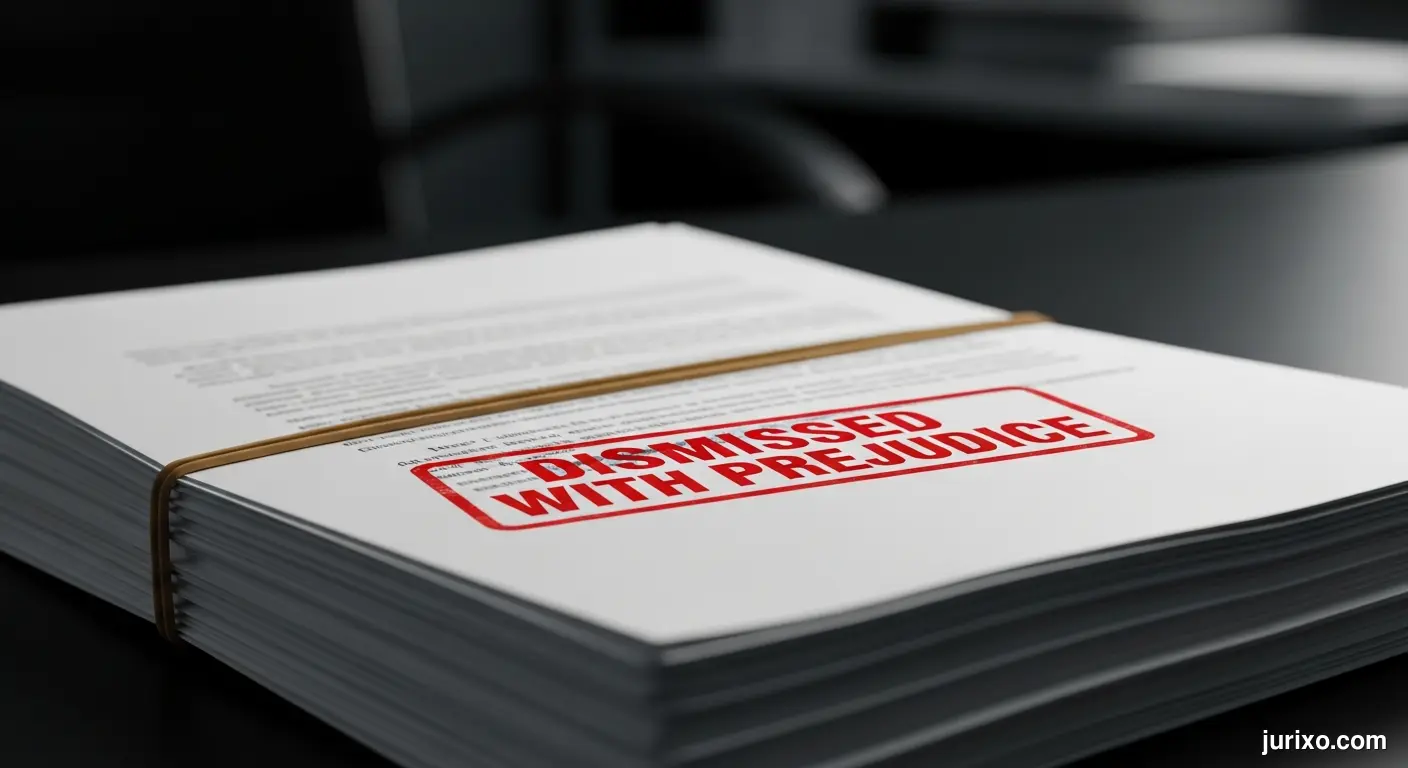
Case Dismissal (With or Without Prejudice): If it is the plaintiff's attorney who fails to appear, the court may dismiss the case. A "dismissal without prejudice" allows the plaintiff to refile the case, though it means wasted time and money. A "dismissal with prejudice," however, is a final and permanent end to the lawsuit. The plaintiff is legally barred from ever bringing that same claim again. This is a death sentence for a legal case and can result from a single failure to appear at a critical hearing.
-
Contempt of Court and Sanctions: Judges have broad authority to sanction attorneys for failing to appear. These sanctions can include hefty monetary fines payable to the court or the opposing party to compensate them for their wasted time and fees. In egregious cases, an attorney can be held in contempt of court. While rare, this can even lead to the attorney being taken into custody. These sanctions not only penalize the attorney but also reflect poorly on the client's case and can create a perception of unprofessionalism that is difficult to overcome.
-
Waiver of Crucial Rights: Many hearings are held to decide specific motions, such as a motion to exclude evidence or a motion to compel discovery. If your attorney is not there to argue on your behalf, the motion may be automatically decided against you. This could mean critical evidence is suppressed, or you are forced to turn over sensitive information, irrevocably damaging your legal strategy.

The Financial Fallout: Calculating the True Cost
The financial repercussions of an attorney's failure to appear extend far beyond the initial legal fees paid. The costs can spiral, creating a new financial crisis for the client who has already been let down.
Direct Financial Losses
The most obvious cost is the value of the judgment or claim itself. If a default judgment is entered against you for $100,000 because your lawyer didn't show up, that is a direct $100,000 loss. If your multi-million dollar personal injury case is dismissed with prejudice, you have lost the entire potential value of your claim.
Wasted Legal Fees and Compounding Costs
- Sunk Costs: All the money paid to the no-show attorney for case preparation, research, and filing fees is effectively lost. The work product may be unusable if the case is dismissed or a default is entered.
- Costs to Mitigate: The largest new expense is hiring a second attorney to attempt to fix the damage. This new lawyer must be paid to get up to speed on the case, investigate the no-show, and then potentially file a "Motion to Vacate Default Judgment." This is a formal request to the court to set aside the judgment, and it is by no means guaranteed to succeed.
- Sanctions and Fees: The court may order the client or the original attorney to pay the opposing party's legal fees incurred due to the no-show. This adds insult to injury, forcing you to pay the other side's lawyer because your own lawyer failed you.
Professional and Ethical Violations: Breaching the Fiduciary Duty
An attorney's relationship with a client is that of a fiduciary, the highest standard of care recognized by law. A no-show is a flagrant breach of several fundamental ethical obligations outlined by the American Bar Association's (ABA) Model Rules of Professional Conduct, which serve as the basis for most state bar regulations.
The Core Ethical Duties Violated
- Rule 1.1: Competence: A lawyer must provide competent representation, which requires the "legal knowledge, skill, thoroughness and preparation reasonably necessary for the representation." Competent handling includes basic tasks like calendaring court dates and preparing for them. Failing to appear is a textbook example of incompetence.
- Rule 1.3: Diligence: This rule mandates that "a lawyer shall act with reasonable diligence and promptness in representing a client." Procrastination and neglect are the primary sources of complaints against lawyers, and failing to appear is the ultimate act of neglect. The comments to this rule explicitly state that a lawyer's workload must be controlled so each matter can be handled competently and that no professional shortcoming is more widely resented than procrastination.
Failure to adhere to these rules is not just poor service; it's a violation of the ethical code that governs the legal profession.
Client Recourse: What to Do When Your Attorney Doesn't Show Up
If you find yourself in the nightmarish situation of being in court without your lawyer, or if you learn that a default judgment has been entered against you, it is critical to act quickly and decisively.
Immediate Steps
- Document Everything: Note the date, time, court, and the name of the judge. If you are in the courtroom, speak to the court clerk and explain that your attorney was supposed to be present. Get a copy of any order or judgment entered.
- Contact the Attorney's Office: Attempt to contact your lawyer and their office immediately. There may be a legitimate emergency, but you need to know. Document every attempt to communicate.
- Do Not Wait: The clock is ticking. Deadlines to challenge a default judgment or dismissal can be very short, sometimes as little as 30 days.
Seeking Legal and Disciplinary Action
- Consult New Counsel: Your first and most important step is to hire a new attorney, preferably one who has experience with legal malpractice cases. They can assess the damage and advise you on the best path forward.
- File a Motion to Vacate: Your new attorney will likely need to file a Motion to Vacate the judgment or dismissal. This motion asks the judge to cancel the order, typically on the grounds of "excusable neglect" by your former attorney. Success is not guaranteed and often depends on the jurisdiction and the specific facts.
- Report to the State Bar: Every state has a disciplinary board that investigates claims of attorney misconduct. You can file a formal complaint, which may lead to an investigation and disciplinary action against the attorney, ranging from a private reprimand to suspension or even disbarment. While this process will not recover your financial losses, it holds the attorney accountable and helps protect the public. You can typically find the complaint process on your state bar association's official website.
- Pursue a Legal Malpractice Claim: To recover your financial losses, your primary recourse is to file a legal malpractice lawsuit against your former attorney. To win a malpractice case, you generally must prove four elements:
- Duty: An attorney-client relationship existed.
- Breach: The attorney was negligent and breached their duty of care (a no-show is a clear breach).
- Causation: The attorney's breach directly caused you harm.
- Damages: You suffered actual financial damages as a result.
Proving a malpractice case often involves a "case-within-a-case," meaning you must demonstrate to a new jury not only that your first lawyer was negligent, but also that you would have won the original case if they had acted competently.

The trust between a client and their attorney is the bedrock of our legal system. When that trust is shattered by a failure as fundamental as not showing up, the consequences are profound. It undermines the client's case, inflicts severe financial and emotional distress, and erodes public confidence in the legal profession. If you are the victim of an attorney's no-show, know that you have rights and recourse. By taking swift, informed action, you can begin the difficult process of mitigating the damage and holding the responsible party accountable for their costly mistake.
Frequently Asked Questions (FAQ)
What is a default judgment?
A default judgment is a binding ruling made by a court in favor of one party because the other party has failed to respond to a lawsuit or has failed to appear at a required court proceeding. When a default judgment is entered, the non-appearing party loses their right to defend their case, and the court can award the plaintiff the damages they sought.
Can I sue my attorney for not showing up to court?
Yes, you may be able to sue your attorney for legal malpractice if their failure to appear in court caused you significant financial harm. To succeed, you must typically prove that an attorney-client relationship existed, the attorney was negligent in missing the court date, this negligence caused you to lose your case or suffer damages, and you incurred actual financial losses as a result.
How do I report my attorney to the state bar?
You can report an attorney by filing a formal grievance or complaint with the state bar association in the state where the attorney is licensed. Most state bar websites have a dedicated section for filing complaints, which usually involves completing a form online or by mail and providing evidence to support your claim of misconduct. The bar will then review the complaint to determine if an investigation is warranted.
Will I get my money back if my attorney is a no-show?
Filing a complaint with the state bar may result in disciplinary action against the attorney but will not typically recover your money. To recover financial losses, you generally need to file a separate civil lawsuit for legal malpractice against the attorney. If you win the malpractice case, you may be awarded damages to compensate for the harm caused by their negligence.
What's the difference between case dismissal with and without prejudice?
A "dismissal without prejudice" means the court has dismissed the case, but the plaintiff is allowed to correct the error and refile the lawsuit at a later time. A "dismissal with prejudice" is a final, permanent dismissal of the case. It bars the plaintiff from ever filing that same claim against the same defendant again.
Advertisement
Last Updated: