
Meta Lawsuit: Are Your D&O Insurance
High-profile lawsuits against Meta serve as a crucial test for Directors & Officers (D&O) insurance. This article explores the risks and how to ensure your leadership is protected.

Advertisement
The torrent of high-profile lawsuits against Meta Platforms, Inc. represents far more than a legal predicament for a single tech behemoth. For directors and officers (D&O) across every industry, these multi-billion dollar legal battles are a blaring siren, signaling a dramatic escalation in corporate liability and a critical stress test for the insurance policies designed to protect them. From shareholder derivative actions to massive regulatory enforcement, the claims against Meta’s leadership highlight emerging risks that can expose directors’ and officers’ personal assets and threaten a company's financial stability. Understanding the anatomy of these lawsuits is the first step for any corporate leader to competently reassess whether their own D&O liability insurance is truly fit for purpose in this aggressive new legal landscape.
The Expanding Universe of Risk: Key Lawsuits Facing Meta and Their D&O Implications
It is not one single "Meta lawsuit" but a constellation of legal challenges that corporate leaders must watch. These cases, spanning multiple jurisdictions and legal theories, create a mosaic of modern corporate risk that directly implicates the duties and responsibilities of directors and officers. The outcomes of these suits are actively reshaping the expectations placed upon corporate boards and, consequently, what they must demand from their insurance partners.
Shareholder Derivative Lawsuits: The Fiduciary Duty Under Fire
A shareholder derivative lawsuit is a legal action brought by a shareholder on behalf of the corporation against its directors or officers, alleging they failed in their duties. At the heart of these suits is the concept of fiduciary duty—the legal obligation for directors to act in the best interests of the corporation and its stockholders.
The lawsuits against Meta’s board in the wake of the Cambridge Analytica scandal are a prime example. Shareholders alleged that directors, including CEO Mark Zuckerberg, breached their fiduciary duties by failing to adequately oversee the company's data privacy practices and by allegedly agreeing to an FTC settlement that shielded Zuckerberg from personal liability. One such lawsuit resulted in a significant settlement, reportedly to be paid by D&O insurance, which also mandated changes to Meta's board policies.
D&O Implication: These claims are a direct assault on the decisions and oversight functions of a board. When a company is unwilling or unable to indemnify its directors—for example, in cases of insolvency or due to state law—the personal assets of those directors are at risk. This is precisely where D&O insurance, particularly its "Side A" coverage, becomes the last line of defense.
Securities Class Actions: The High Cost of Misrepresentation
Securities class actions typically arise when a group of shareholders sues a public company and its executives, alleging that they suffered financial losses because the company made false or misleading statements about its business, finances, or risk factors. Under U.S. securities laws, companies have a duty to provide accurate and not misleading information to the investing public.
Meta has faced numerous securities lawsuits alleging that the company was not transparent about the risks associated with its user engagement metrics, the impact of privacy changes on its business model, and the extent of harmful content on its platforms. These lawsuits often follow significant stock price drops that occur after a negative revelation, with plaintiffs arguing that the market was misled.
D&O Implication: This is the quintessential risk that D&O insurance is designed to cover. Such lawsuits can trigger multiple parts of a policy: "Side C" coverage for the corporate entity itself, and "Side B" coverage to reimburse the company for indemnifying its directors and officers for their legal defense. The surge in securities class actions in recent years has put immense pressure on the D&O insurance market, leading to higher premiums and closer underwriting scrutiny.
Regulatory Actions and Investigations: The Government as Adversary
Beyond shareholder litigation, companies and their boards face immense pressure from government agencies. The Federal Trade Commission (FTC) has been a prominent adversary for Meta, launching a major antitrust lawsuit that sought to unwind its acquisitions of Instagram and WhatsApp, alleging the company illegally maintained a monopoly. While a court ultimately ruled in Meta's favor in late 2025, the case represents a massive, multi-year legal battle. Furthermore, state attorneys general have filed a wave of lawsuits alleging Meta's platforms are harmful to the mental health of young users.
D&O Implication: Regulatory investigations are a growing source of D&O claims. The definition of a "Claim" in a D&O policy is critical here. A broad definition will trigger coverage at the earliest stages of an investigation, allowing the company or individual to access funds for legal defense long before a formal lawsuit is filed. However, many policies contain a "regulatory exclusion," which can limit or bar coverage for losses arising from actions brought by agencies like the FTC or SEC. Moreover, D&O policies typically exclude coverage for fines and penalties, although the costs of defending against the imposition of such penalties may be covered.
Deconstructing Your D&O Policy: Is Your Coverage Ready for a Meta-Level Crisis?
The lessons from Meta's legal battles are clear: having a D&O policy is not enough. Directors and officers must ensure their policy is structured to respond to the modern threat landscape. This requires a deep understanding of the three fundamental components of D&O insurance and a meticulous review of the policy's definitions and exclusions.
The Three Sides of D&O Coverage: A, B, and C
A standard D&O policy is composed of three distinct insuring agreements, often referred to as Side A, Side B, and Side C.
- Side A: Personal Asset Protection. Side A coverage directly protects the personal assets of directors and officers when the company cannot or will not legally indemnify them. This can occur during bankruptcy, in certain shareholder derivative suits, or if the company simply refuses to pay. For any director, this is the most critical part of the policy, acting as a personal safety net.
- Side B: Corporate Reimbursement. This is the most frequently used part of a D&O policy. Side B reimburses the company for the costs it incurs after it has indemnified its directors and officers for legal fees, settlements, and judgments in a covered claim. This protects the company's balance sheet from being depleted by its obligation to back its leadership.
- Side C: Entity Coverage. Side C coverage protects the public company itself when it is named as a defendant in a lawsuit, most commonly a securities class action. For private companies, Side C coverage is often broader, covering a wider range of claims against the company.
The Devil in the Details: Key Exclusions and Definitions to Scrutinize
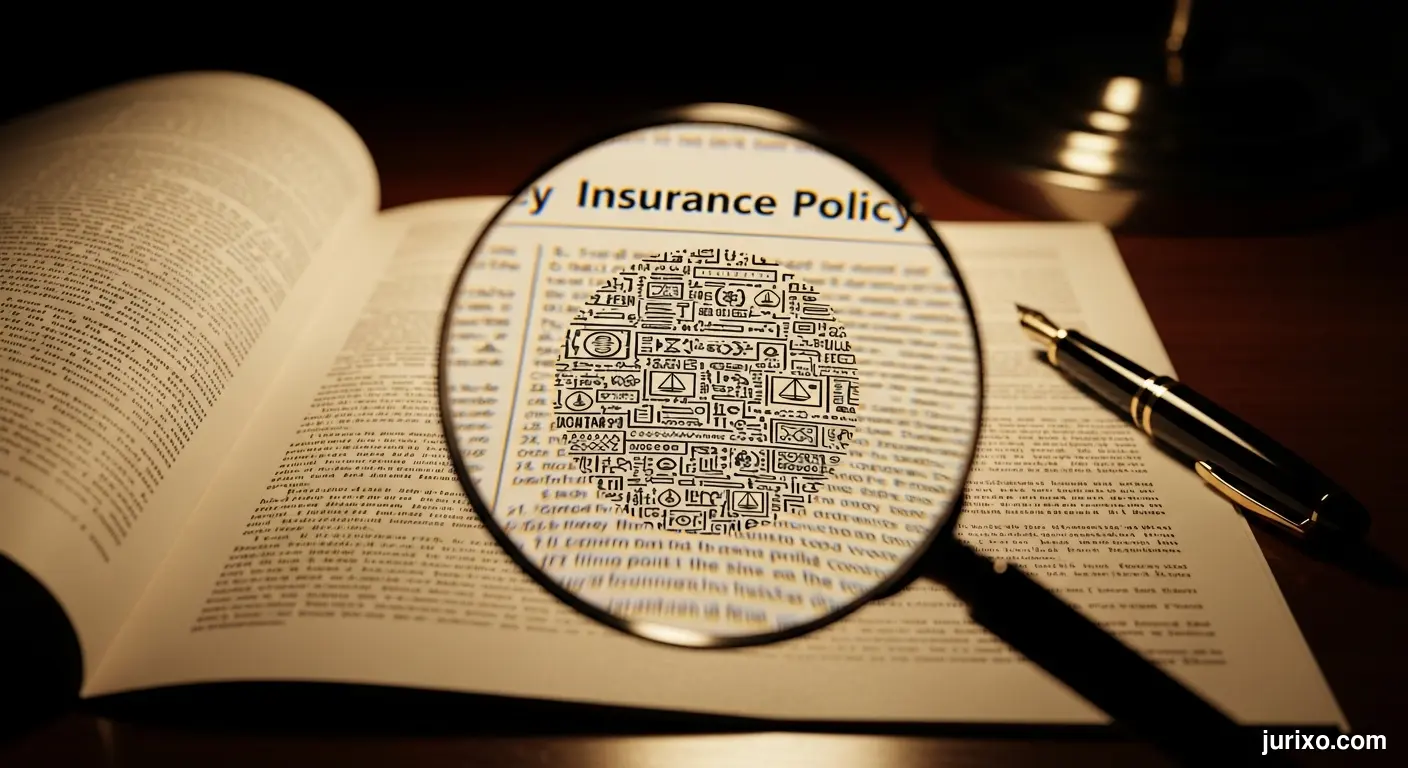
The value of a D&O policy lies in its specific wording. Seemingly small differences in definitions or the scope of exclusions can mean the difference between full coverage and a complete denial of a claim. Boards should work with expert insurance advisors to scrutinize these areas:
- Definition of "Claim": A broad definition is always preferable. Does it include not just lawsuits but also written demands, civil proceedings, administrative or regulatory investigations, and extradition requests? Coverage that begins when an individual is merely subpoenaed for an investigation provides a significant advantage.
- Definition of "Wrongful Act": This defines the scope of covered conduct. It should be a broad catch-all, including any actual or alleged breach of duty, neglect, error, misstatement, misleading statement, omission, or other act.
- Conduct Exclusions: All policies exclude coverage for fraudulent or criminal acts and illegal profits. However, it is crucial that this exclusion only applies after a final, non-appealable adjudication of wrongdoing. This ensures the insurance company must pay for defense costs until the case is fully resolved, upholding the principle of "innocent until proven guilty."
- Antitrust Exclusion: In light of the FTC's actions against Meta, this exclusion requires special attention. Some policies contain broad exclusions that can eliminate coverage for any claim related to antitrust allegations. Companies in acquisitive industries or with significant market share must negotiate to have this exclusion narrowed or removed entirely.
- Insured vs. Insured Exclusion: This exclusion prevents coverage for lawsuits brought by one insured party (like the company or a director) against another. It is designed to prevent collusive lawsuits intended to tap into insurance proceeds. However, it's important to ensure there are "carve-backs" (exceptions) for shareholder derivative suits, whistleblower claims, and claims by former directors.
Actionable Steps: Fortifying Your D&O Protection in a Post-Meta World
Reactive policy review is insufficient. Boards and executive teams must proactively manage their D&O program as a core component of their corporate governance and risk management strategy. The era of "set it and forget it" D&O insurance is over.
1. Conduct a Rigorous and Regular Coverage Review
Companies should not wait until a claim arises to discover a gap in their coverage.
- Benchmark Your Limits: Work with a specialized insurance broker to benchmark your policy limits and retention (deductible) against peer companies in your industry and of a similar size. The rising severity of securities litigation means that limits that were adequate five years ago may be dangerously insufficient today.
- Stress-Test Scenarios: Model potential claims based on the risks seen in the Meta lawsuits. How would your policy respond to a regulatory investigation, a derivative suit alleging breach of fiduciary duty, and a securities class action all at once?
- Analyze Your Insurer: Evaluate the financial strength and claims-paying reputation of your insurance carrier. In a major crisis, you need a partner who is stable and has a track record of handling complex claims fairly.
2. Prioritize and Enhance Side A Coverage
For individual directors, Side A coverage is paramount. As shareholder derivative suits become more common and settlements larger, the risk of non-indemnifiable losses grows. Many companies now purchase a separate, dedicated Side A "Difference in Conditions" (DIC) policy. These policies often provide broader coverage with fewer exclusions than a traditional A-B-C policy and offer a dedicated limit of liability that isn't shared with the company, ensuring funds are available to protect directors' personal assets.
3. Align Insurance with Strong Corporate Governance
A D&O policy is a backstop, not a replacement for sound decision-making. Insurers are increasingly scrutinizing a company's governance practices during underwriting.
- Document Deliberation: Board minutes should clearly reflect a robust and informed decision-making process. Document the board's reliance on reports from officers, employees, and outside experts (like lawyers and bankers), as this can provide a legal safe harbor under Delaware law.
- Improve Risk Factor Disclosures: Boilerplate risk factors in SEC filings are a red flag for both investors and insurers. As mandated by the SEC, risk disclosures should be specific, tailored to the company's unique circumstances, and logically organized. Vague or misleading risk disclosures can themselves become the basis for a securities lawsuit.
- Proactive Board Education: Implement regular training for the board on their fiduciary duties, evolving disclosure requirements, and emerging risk areas like cybersecurity, ESG (Environmental, Social, and Governance), and AI.

4. Foster a Culture of Proactive Risk Management
The issues at the heart of the Meta lawsuits—data privacy, platform safety, competitive conduct—are fundamentally business risks. A strong D&O program must be built on a foundation of enterprise-wide risk management. This involves creating robust internal controls, fostering a culture of compliance that extends from the top down, and ensuring that the board has clear visibility into the most critical risks facing the organization. The more confident underwriters are that an organization is effectively managing its risks, the more likely they are to offer favorable coverage terms and pricing.
The legal battles engulfing Meta are a watershed moment, forcing a fundamental re-evaluation of director and officer liability. D&O insurance remains an indispensable tool for attracting and retaining top-tier leadership by protecting their personal wealth. However, the sheer scale and scope of these lawsuits prove that a passive approach to insurance is no longer viable. For boards and their advisors, the mandate is clear: engage deeply, question everything, and build a D&O program that is as resilient and forward-looking as the business it is designed to protect.
Frequently Asked Questions (FAQ)
Q1: Does D&O insurance cover fines and penalties from regulators like the FTC or SEC?
Generally, no. Most D&O policies contain exclusions for fines and penalties, as insuring them is often considered against public policy. However, the policy will typically cover the legal defense costs associated with the investigation or proceeding that leads to the fine, which can be substantial.
Q2: If our company is private, do we still need D&O insurance?
Absolutely. Private companies are not immune to D&O litigation. They can be sued by competitors for antitrust or unfair competition, by creditors in the event of bankruptcy, by employees for wrongful acts related to employment, and by minority shareholders or family members in disputes over management. D&O policies for private companies often provide even broader entity coverage than those for public companies.
Q3: How have the Meta lawsuits affected the cost of D&O insurance?
The wave of high-severity securities class actions and regulatory lawsuits against large tech companies like Meta has contributed to a "hard" D&O insurance market. This means insurers have responded to increased losses by raising premiums, increasing self-insured retentions (deductibles), and applying more restrictive terms and exclusions. Underwriting scrutiny has become far more intense.
Q4: What is "presumptive indemnification" in a D&O policy?
Presumptive indemnification is a policy provision stating that if the company is legally permitted to indemnify its directors and officers, the policy will presume that it does so. This means that a claim that could be indemnified will be paid under Side B (reimbursing the company), which is subject to a retention. This prevents directors from trying to access the retention-free Side A coverage for a loss that the company is fully capable of covering.
Q5: Can a director be held personally liable even if the company has D&O insurance?
Yes. A director can be held personally liable if a claim is not covered by the D&O policy. This could happen if the policy limits are exhausted by other claims, if a specific exclusion applies (such as for a matter where the director is found guilty of a criminal act), or if the director did not provide timely notice of the claim to the insurer as required by the policy. This is why having adequate Side A limits is so critical for personal asset protection.
Advertisement
Last Updated: