
Flood Watch: Is Your Business's Liability
Flooding creates significant, often overlooked, legal liabilities for businesses. Learn how to identify your risks and implement strategies to protect your company from devastating financial losses.

Advertisement
When the skies darken and the waters rise, most business owners worry about direct damage to their property and inventory. This is a critical concern, but it's only the tip of the iceberg. A far more complex and potentially devastating threat lurks beneath the surface: legal liability. In the chaotic aftermath of a flood, your business could face a deluge of claims from customers, employees, neighboring properties, and even government agencies. Understanding and proactively managing this liability is no longer an optional exercise; it is an essential component of modern corporate survival and responsible governance.
This comprehensive guide, written from the perspective of a licensed business insurance advisor, will dissect the multifaceted nature of flood-related liability. We will move beyond the basics of property insurance to explore the nuanced legal duties your business owes to others and provide a strategic framework for mitigating these significant financial and reputational risks.
The Expanding Definition of Flood Risk for Businesses
For decades, business flood risk was primarily defined by geography. If your commercial property was located in a designated high-risk flood zone on a map from the Federal Emergency Management Agency (FEMA), you were considered at risk. However, recent events and changing weather patterns have shattered this outdated model. According to FEMA, more than 40 percent of National Flood Insurance Program (NFIP) claims between 2014 and 2018 came from outside of high-risk flood areas. This staggering statistic underscores a new reality: nearly every business in the United States has some level of flood exposure.
This "new normal" is driven by several factors:
- Urbanization and Development: Increased paved surfaces in urban and suburban areas prevent water from being absorbed into the ground, leading to severe runoff and flash flooding in places that have never flooded before.
- Aging Infrastructure: Stormwater systems in many cities are old and lack the capacity to handle the volume and intensity of modern rainfall events.
- Changing Climate Patterns: More intense and frequent precipitation events are overloading natural and man-made water management systems, causing rivers to crest and flash floods to occur with little warning.
The financial implications of a direct flood event are significant. Standard Commercial Property insurance policies almost universally exclude damage from flooding. This means that without a separate, dedicated flood insurance policy, you are solely responsible for the cost of repairs, replacing damaged inventory and equipment, and the massive expense of cleanup and restoration. Furthermore, the disruption can lead to a prolonged business interruption, causing a loss of income and market share that can be even more damaging than the physical destruction.
The Hidden Danger: Third-Party Liability from Flooding
While the cost of direct damage is substantial, the liability your business can incur towards third parties can be exponentially greater. If your property's condition or your company's actions (or inaction) contribute to flood damage on another property, you could be held legally and financially responsible. This is a complex area of law, but it generally revolves around a few key legal principles.
Negligence
Negligence is the failure to exercise a reasonable standard of care, resulting in harm to another party. In the context of a flood, a business could be found negligent if:
- It failed to maintain its own drainage systems, causing water to back up and flood a neighboring property.
- It improperly stored materials or chemicals that were washed away, contaminating adjacent land or water sources.
- It undertook construction or landscaping that altered natural water flow, redirecting floodwaters onto someone else's property.
The core question in a negligence claim is: "What would a reasonably prudent business owner have done under similar circumstances?" The answer is increasingly leaning toward expecting businesses to be more proactive in their flood preparations.
Nuisance
A private nuisance is an act that unreasonably interferes with another person's use and enjoyment of their property. If your business operations create a condition that leads to flooding on a neighbor's property, such as a blocked culvert or a poorly designed retention pond, you could face a nuisance lawsuit. This can be true even if the action was not intentional. The focus is on the impact and interference with the other party's property rights.
Premises Liability
Business owners have a legal duty to maintain a safe environment for people who come onto their property, including employees, customers, and other visitors. If a flood occurs and someone is injured on your property due to a hazard that you should have reasonably addressed—such as a submerged and unmarked pothole in the parking lot or a non-functional emergency exit—your business could be held liable for their injuries.
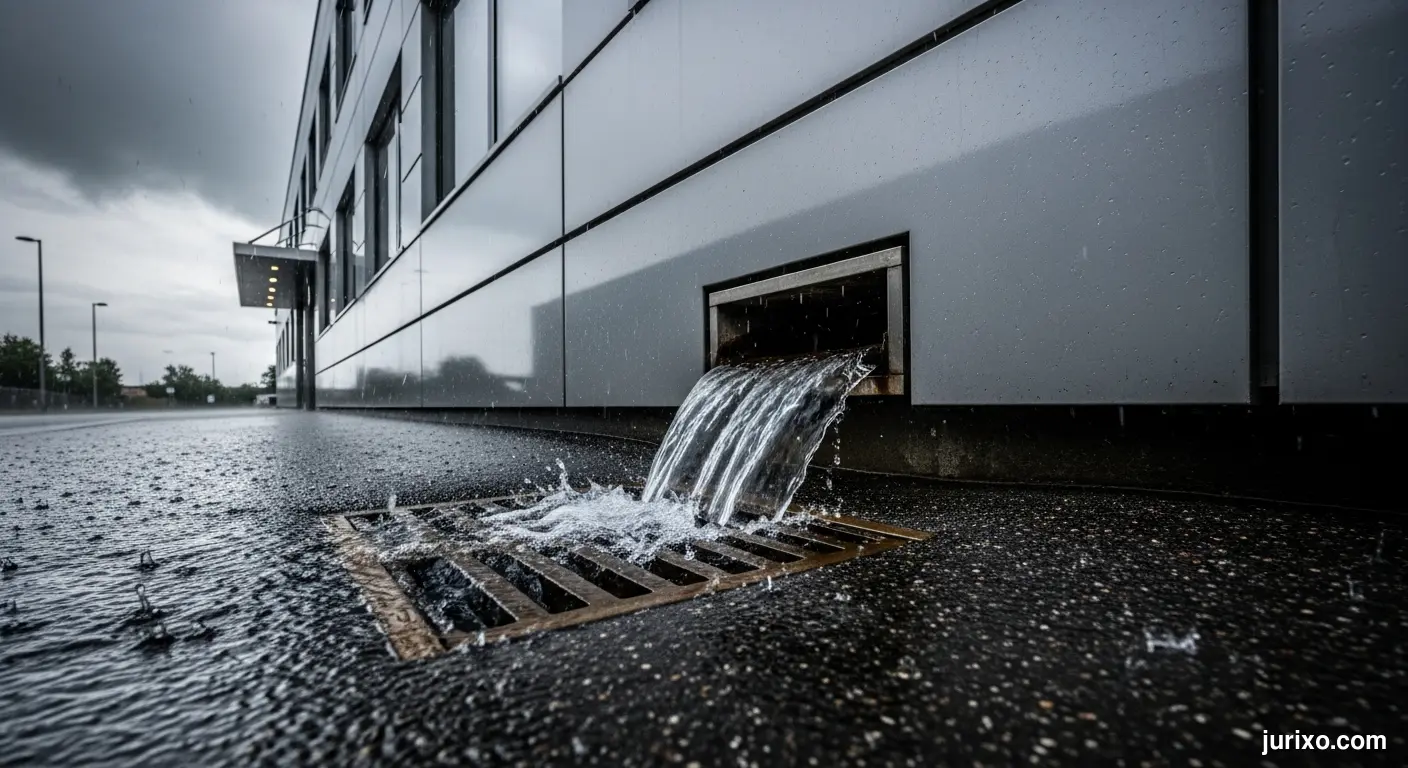
Key Sources of Flood-Related Business Liability
Understanding the legal theories is one thing; recognizing how they apply in real-world scenarios is another. Liability can arise from numerous sources, many of which are not immediately obvious.
Contamination and Environmental Liability
Modern businesses utilize a wide range of chemicals, solvents, fuels, and other materials that are classified as hazardous. If floodwaters infiltrate your facility, they can easily breach storage containers and carry these substances off-site. Your business could be held strictly liable for:
- The costs of environmental cleanup, which can run into millions of dollars under federal laws like the Comprehensive Environmental Response, Compensation, and Liability Act (CERCLA).
- Damage to natural resources, such as fisheries or wetlands.
- Bodily injury claims from individuals exposed to the hazardous materials.
- Property damage claims from landowners whose soil or groundwater has been contaminated.
Standard general liability policies almost always contain an absolute pollution exclusion, meaning they will not respond to these claims. A separate Pollution Liability or Environmental Impairment Liability (EIL) policy is required to cover this specific, high-stakes exposure.
Landlord and Tenant Obligations
For businesses that lease their property, the lease agreement is a critical document that dictates liability. These contracts often contain specific clauses regarding responsibility for maintenance, insurance, and "acts of God."
- Landlord's Liability: A landlord may be held liable if they failed to properly maintain the building's structural integrity, roof, or drainage systems, contributing to the flood damage suffered by a tenant.
- Tenant's Liability: A tenant could be held liable if their actions, such as improper storage of materials that blocked a drain, worsened the flooding in their own unit or adjacent units.
Disputes are common in the aftermath of a flood, often revolving around who is responsible for repairs, rent abatement, and lease termination. A thorough legal review of your lease agreement by qualified counsel, before a disaster strikes, is a critical risk management step.
Professional Liability (Errors & Omissions)
For professionals like architects, engineers, and contractors, flood liability can extend to their professional services. If a building they designed or constructed floods due to a flaw in the design or a failure to account for potential water flow, they could face a professional liability lawsuit. For example, an engineering firm that designs a commercial development's drainage plan could be sued if that plan fails and causes flooding to the developed properties or neighboring areas.
A Strategic Framework for Mitigating Flood Liability
Protecting your business requires a multi-layered, proactive approach. You cannot simply buy an insurance policy and assume you are covered. True resilience involves a combination of financial protection, physical mitigation, and strategic planning.
1. Conduct a Comprehensive Insurance Review
Your first step is to sit down with a licensed and experienced business insurance advisor to conduct a top-to-bottom review of your insurance program. Do not assume anything.
- Flood Insurance: If you do not have a dedicated flood policy, get one. You have two main options: the government-backed National Flood Insurance Program (NFIP) and the rapidly growing private flood insurance market.
- NFIP: Offered through FEMA, the NFIP provides reliable, standardized coverage. However, for commercial properties, coverage is capped at $500,000 for the building and $500,000 for its contents. Business interruption coverage is not available.
- Private Flood Insurance: Private insurers often offer higher coverage limits, replacement cost valuation (as opposed to the NFIP's actual cash value for some items), and the ability to include crucial business interruption coverage.
- General Liability: Review your Commercial General Liability (CGL) policy. While it won't cover your own flood damage, it is your first line of defense against third-party claims for bodily injury or property damage not related to pollution. Understand the policy limits and any relevant exclusions.
- Pollution Liability: Given the high risk of contamination claims, a standalone Pollution Liability policy is essential for any business that handles hazardous materials, even in small quantities (e.g., cleaning supplies, fuel for equipment).
2. Implement Physical and Procedural Safeguards
You can significantly reduce your liability exposure by taking concrete steps to make your property more resilient and your operations safer.
- Site Assessment: Hire a qualified engineer to assess your property's vulnerability to flooding. They can identify water entry points, evaluate drainage, and recommend improvements.
- Physical Fortification:
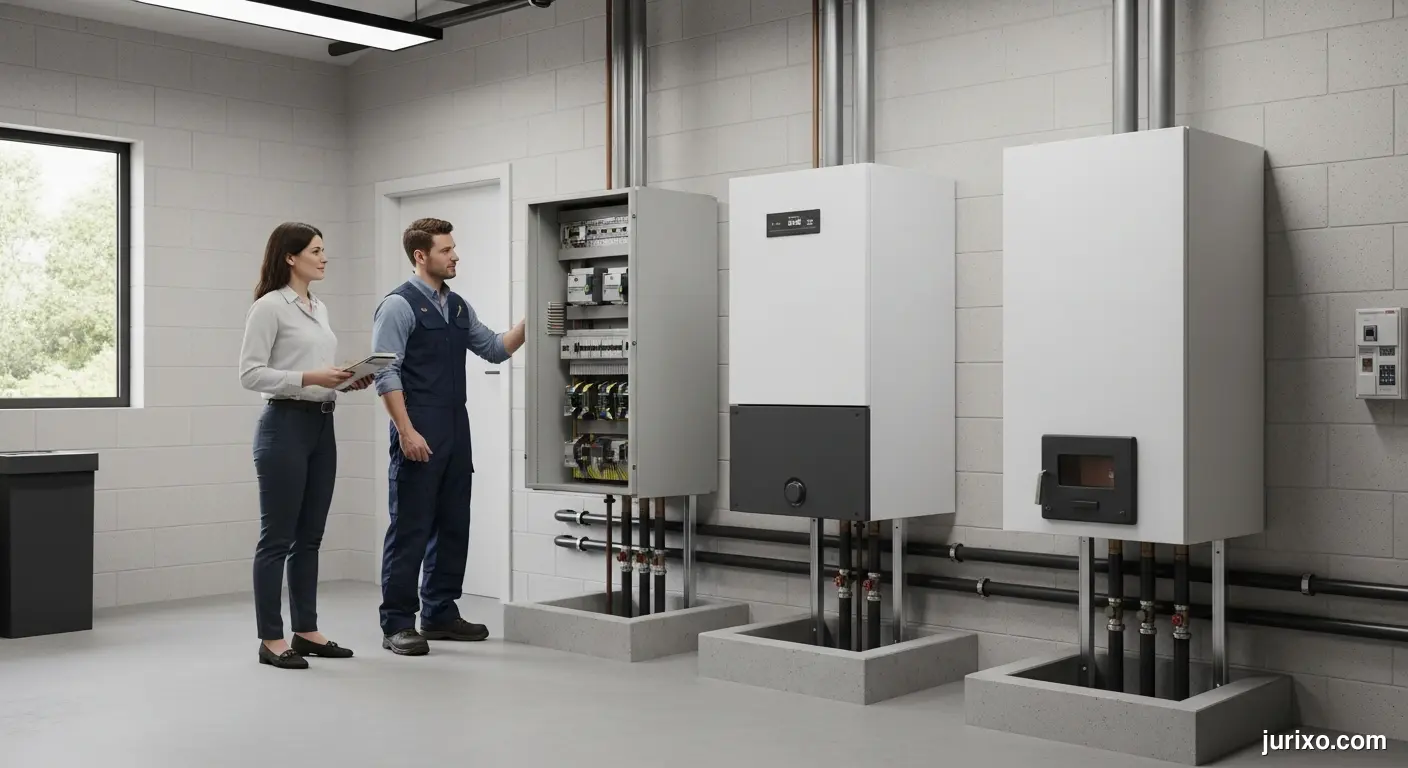
- Elevate critical equipment such as HVAC systems, generators, and electrical panels above the anticipated flood level.
- Install flood vents in foundation walls to allow floodwaters to flow through rather than build up pressure and cause a structural collapse.
- Construct permanent flood barriers or invest in deployable floodwalls for key entry points.
- Regularly inspect and clear all on-site storm drains, gutters, and culverts.
- Develop a Flood Emergency Response Plan (FERP): This formal, written document is your playbook for action. It should be more than a binder on a shelf; it must be a living document that is regularly updated and practiced. A comprehensive FERP should include:
- Clear criteria for activation (e.g., upon issuance of a Flood Watch from the National Weather Service).
- Specific, assigned duties for a designated crisis management team.
- Procedures for shutting down operations, protecting vital records, and securing hazardous materials.
- A communication plan for notifying employees, customers, suppliers, and emergency services.
- Contact information for your insurance agent, a water mitigation/restoration company, and legal counsel.
3. Maintain Meticulous Documentation
In the event of a lawsuit, documentation is your most powerful defense. It provides tangible proof that you acted responsibly and took reasonable steps to mitigate risks.
- Record Keeping: Document all risk assessments, maintenance activities (e.g., drain cleaning logs), and physical improvements made to the property.
- Plan Execution: During a flood event, keep a detailed log of all actions taken by your team in accordance with the FERP. Note the time, the action taken, and the person responsible.
- Preserve Evidence: After a flood, photograph and video everything before any cleanup or repairs begin. This includes damage to your property and any conditions that might be relevant to a liability claim (e.g., a failed municipal storm drain that caused the issue).
4. Engage with Legal and Community Partners
Proactive risk management extends beyond your property line.
- Legal Counsel: Have an attorney review your lease agreements, major contracts, and your FERP to ensure they are sound from a liability perspective.
- Community Involvement: Participate in local and regional watershed management and planning discussions. Understanding how new developments or infrastructure projects may affect your property's flood risk is critical. For resources on community preparedness, visit Ready.gov, a U.S. government website dedicated to emergency readiness.

The threat of flooding is no longer a distant or regional problem; it is a clear and present danger to businesses everywhere. While protecting your physical assets is a priority, you must not underestimate the immense and complex web of legal liability that a flood event can create. By shifting from a reactive to a proactive posture—understanding your specific risks, implementing a multi-layered mitigation strategy, and securing the right kinds of financial protection—you can safeguard your company's balance sheet, reputation, and long-term viability from the rising tide of flood-related liability.
Frequently Asked Questions (FAQ)
My business isn't in a flood zone. Do I still need flood insurance?
Yes. The data clearly shows that a significant percentage of flood claims occur outside of designated high-risk flood zones. Factors like urban development, overwhelmed storm drains, and intense rainfall can cause flooding anywhere. Standard business property insurance excludes flood damage, making a separate flood policy the only way to cover this exposure.
Doesn't my General Liability policy cover flood-related lawsuits?
It depends on the nature of the lawsuit. A Commercial General Liability (CGL) policy may respond if someone is injured on your property during a flood (premises liability) or if your actions cause flood damage to a third party's property (property damage liability). However, it will almost certainly not cover claims related to pollution or contamination, as most CGL policies have an absolute pollution exclusion.
What is the difference between NFIP and private flood insurance for a business?
The National Flood Insurance Program (NFIP) is a federal program with standardized coverage and rates. For commercial buildings, it provides up to $500,000 for the building and $500,000 for the contents. Private flood insurance is offered by commercial insurance companies and can provide much higher limits, replacement cost coverage, and, most importantly, coverage for business interruption, which the NFIP does not offer.
What is a Flood Emergency Response Plan (FERP) and why is it important for liability?
A Flood Emergency Response Plan (FERP) is a formal, written document detailing the specific steps your business will take before, during, and after a flood. Having and executing a FERP is critical for liability because it demonstrates that your company is proactive and exercises a reasonable standard of care in protecting property and life, which is a key defense against claims of negligence.
If a flood releases chemicals from my business, who is responsible for the cleanup?
Your business is likely responsible. Under environmental laws like CERCLA, you can be held strictly liable for the costs of cleaning up any hazardous materials released from your property, regardless of fault. These costs can be astronomical. A standard liability policy will not cover this; you need a specific Environmental Impairment or Pollution Liability insurance policy.
Advertisement
Last Updated: